











Can Swimming Build Muscle? Discover the Benefits of Aquatic Strength Training. Learn how swimming can build muscle and improve overall fitness. Explore the mechanics of swimming, different strokes, resistance training in water, and tips for maximizing muscle growth through swimming.

Introduction
Swimming is frequently lauded for its numerous health benefits, ranging from cardiovascular improvements to increased flexibility. But a question often arises: can swimming build muscle? To answer this, we need to explore how swimming works your muscles and how it compares to other forms of exercise.
How Swimming Affects Muscle Growth
The Mechanics of Swimming
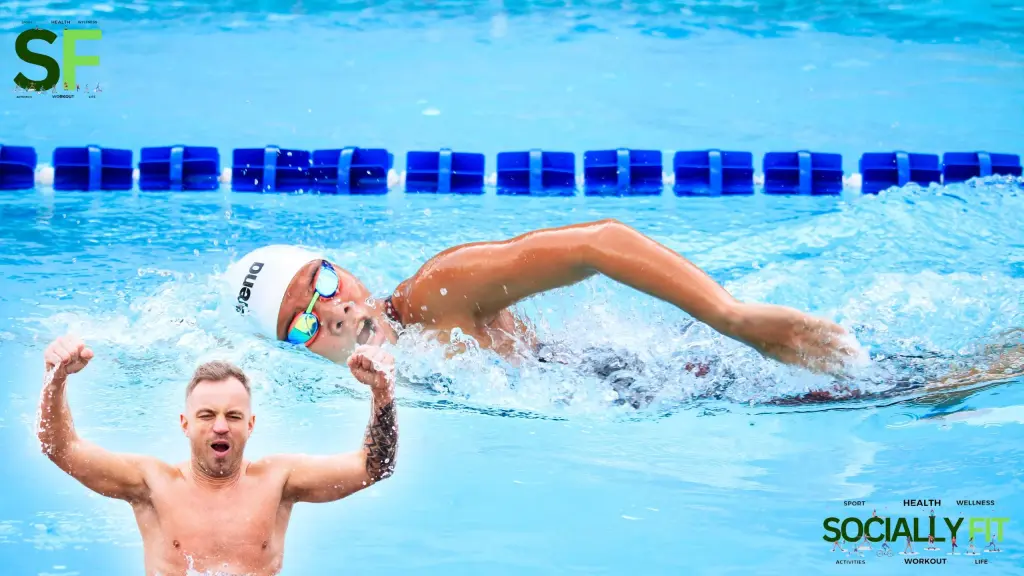
Swimming involves a unique set of mechanics that can contribute to muscle development. Unlike running or cycling, swimming provides a full-body workout by engaging multiple muscle groups simultaneously. As you swim, your body moves against the resistance of water, which forces your muscles to work harder than they might with land-based exercises.
Comparison to Traditional Weight Training
While swimming may not offer the same level of targeted resistance as traditional weight training, it provides substantial benefits in terms of endurance and muscle toning. Weight training typically focuses on isolating specific muscle groups and pushing them to their limit, while swimming involves compound movements that engage various muscles in a coordinated effort.
Key Muscle Groups Targeted
Swimming is particularly effective at building muscle in the upper body, including the shoulders, back, and arms. The core muscles also get a significant workout as they stabilize the body in the water. Leg muscles, such as the quadriceps and hamstrings, are strengthened through the kicking motion.
Different Swimming Strokes and Their Impact
Freestyle (Front Crawl)
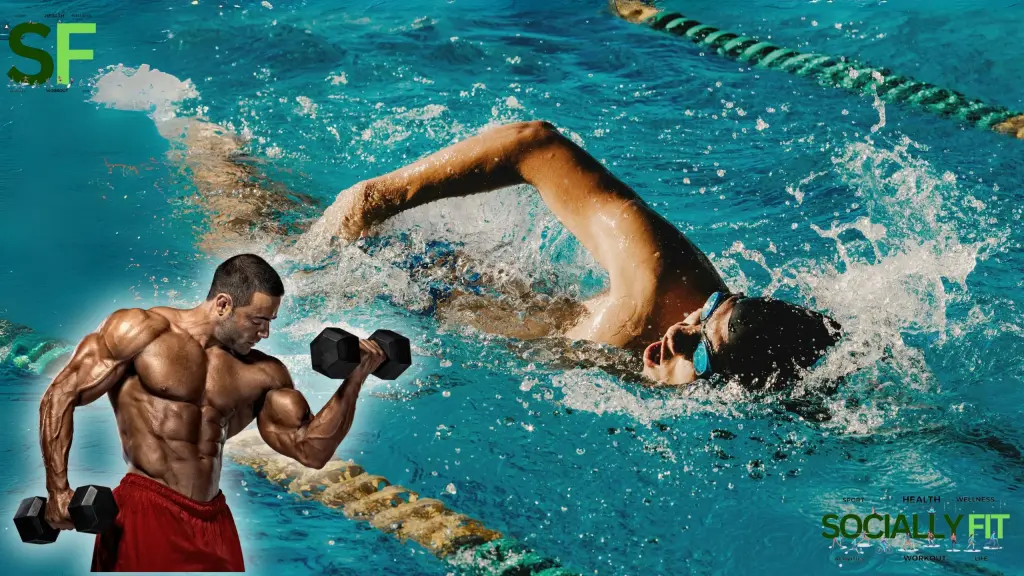
Freestyle is the fastest swimming stroke and is highly effective for building muscle in the upper body. It engages the shoulders, chest, and arms, while also requiring strong core stability.
Backstroke
The backstroke is beneficial for strengthening the back and shoulders. It’s less intense on the legs compared to other strokes but still contributes to overall muscle development through its unique movement patterns.
Breaststroke
Breaststroke emphasizes the chest, arms, and legs. Its pulling and kicking motions provide a balanced workout that enhances muscle strength and endurance.
Butterfly
Butterfly is known for its intensity and is excellent for developing upper body strength. It challenges the chest, shoulders, and arms significantly, making it one of the most demanding strokes for muscle building.
Can Swimming Build Muscle
Resistance Training in Swimming
Natural Resistance of Water
One of the primary benefits of swimming is the natural resistance provided by water. Unlike air, water is denser and provides continuous resistance, which forces your muscles to work harder. This resistance is gentle on the joints while still offering a challenging workout.
Using Swimming Equipment (Kickboards, Paddles, etc.)
To enhance muscle building, swimmers can use various pieces of equipment such as kickboards, hand paddles, and resistance bands. These tools increase the resistance and intensity of the workout, allowing for greater muscle stimulation.
Benefits of Water Resistance
Water resistance not only helps build muscle but also improves endurance and cardiovascular health. It offers a low-impact alternative to traditional weight training, making it suitable for people with joint concerns or those recovering from injuries.
Can Swimming Build Muscle
Swimming Workouts for Muscle Building

Designing a Balanced Swimming Routine
A well-rounded swimming routine for muscle building should include a mix of different strokes and techniques. Combining intervals of high-intensity swimming with periods of recovery can help maximize muscle growth and endurance.
Interval Training and Its Benefits
Interval training involves alternating between periods of intense effort and moderate activity. This approach can boost muscle development by challenging the muscles in short, intense bursts, followed by recovery periods.
Incorporating Strength Training
To complement swimming, incorporating strength training exercises such as weightlifting or bodyweight exercises can enhance muscle growth. This combination ensures that all muscle groups are adequately targeted and developed.
Can Swimming Build Muscle
Nutritional Considerations
Importance of Protein for Muscle Growth
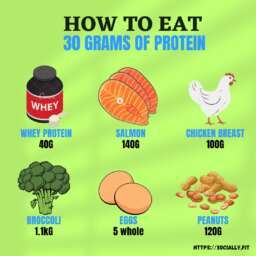
Protein is crucial for muscle repair and growth. Swimmers aiming to build muscle should ensure their diet includes sufficient protein from sources like lean meats, dairy products, legumes, and protein supplements.
Balanced Diet for Swimmers
A balanced diet rich in carbohydrates, proteins, and healthy fats supports overall fitness and muscle development. Carbohydrates provide energy for intense swimming sessions, while fats support long-term endurance and overall health.
Hydration and Its Role
Proper hydration is essential for optimal performance and muscle recovery. Drinking enough water helps maintain energy levels, prevent cramps, and support muscle function during and after swimming workouts.
Can Swimming Build Muscle
Common Myths About Swimming and Muscle Building

Debunking Misconceptions
There are several myths about swimming and muscle building, such as the belief that swimming only improves cardiovascular health or that it doesn’t contribute to significant muscle gains. Research and practical experience show that swimming can indeed build muscle, though perhaps not as quickly or as intensely as some other forms of exercise.
What Research Says
Studies have shown that swimming can lead to increased muscle strength and endurance. While it may not replace traditional weightlifting for muscle mass, it offers a valuable complement to other forms of resistance training.
Can Swimming Build Muscle
Success Stories and Case Studies
Real-Life Examples
Many athletes and fitness enthusiasts have successfully used swimming as part of their muscle-building routines. For example, competitive swimmers often have well-developed upper bodies and strong cores due to their rigorous training regimens.
Lessons Learned
Success stories highlight the importance of combining swimming with other strength-building exercises and maintaining a balanced diet to achieve optimal muscle growth.
Can Swimming Build Muscle
Comparing Swimming to Other Forms of Exercise
| Comparison Factor | Swimming | Weightlifting | CrossFit | Bodyweight Exercises |
|---|---|---|---|---|
| Muscle Engagement | Full-body workout, focuses on upper body, core, and legs | Isolates and targets specific muscle groups | Full-body functional movements | Full-body workout, primarily using own body weight |
| Cardiovascular Benefits | Excellent for cardiovascular health | Moderate, varies by intensity | High, due to intense, varied workouts | Good, especially with high-rep routines |
| Joint Impact | Low-impact, gentle on joints | Can be high-impact, particularly on knees and back | High-impact, varies by workout | Low to moderate impact, dependent on exercise |
| Flexibility | Enhances flexibility through range of motion | Limited, typically focuses on strength | Good, combines strength and flexibility | Enhances flexibility, particularly with stretching exercises |
| Accessibility | Requires access to a pool | Requires gym equipment | Requires specialized equipment and space | Can be done anywhere, minimal equipment needed |
| Injury Risk | Low, with proper technique | Moderate to high, depending on form and weight | High, due to intensity and varied movements | Low to moderate, depends on technique |
| Skill Level | Requires learning proper techniques | Accessible to all levels, but proper form is crucial | Suitable for all, but can be intense for beginners | Suitable for all levels, scalable to difficulty |
| Muscle Growth Potential | Moderate, focuses on endurance and toning | High, best for targeted muscle growth | High, combines strength and conditioning | Moderate, focuses on endurance and toning |
| Workout Variety | Limited to strokes and water-based exercises | High variety in exercises and equipment | High, with constantly varied workouts | High, with many variations of exercises |
| Cost | Moderate to high, depending on pool access | Moderate to high, gym memberships/equipment costs | High, due to specialized gear and classes | Low, minimal to no equipment needed |
Analysis
If budget allows, integrate swimming, weightlifting, or CrossFit to enhance your fitness program.
- Maximize Muscle Engagement: Combine swimming with weightlifting or CrossFit to engage both isolated and full-body muscle groups. Incorporate bodyweight exercises as a complement to enhance muscle endurance and flexibility.
- Boost Cardiovascular Health: Swimming and CrossFit are excellent for cardiovascular fitness. Rotate between these activities to maintain heart health. Include high-repetition bodyweight exercises to keep your cardiovascular system strong.
- Minimize Joint Impact: For those with joint concerns, swimming and bodyweight exercises offer low-impact alternatives. Limit high-impact exercises like heavy weightlifting or intense CrossFit sessions if you have pre-existing joint issues.
- Improve Flexibility: Swimming and bodyweight exercises naturally enhance flexibility. Incorporate these into your routine for better range of motion. Include flexibility-focused routines such as yoga or Pilates alongside your primary workouts.
- Ensure Accessibility: Bodyweight exercises are the most accessible, requiring minimal to no equipment. Use them when you can’t access a gym or pool. Plan for swimming or weightlifting sessions based on your access to facilities and equipment.
- Manage Injury Risk: Focus on proper technique in all exercises to minimize the risk of injury, especially in weightlifting and CrossFit. Use swimming as a recovery workout to reduce the strain on muscles and joints.
- Adapt to Skill Levels: Beginners should start with bodyweight exercises and swimming to build a fitness foundation. Gradually introduce weightlifting and CrossFit as your strength and endurance improve.
- Optimize Muscle Growth: For muscle building, prioritize weightlifting, but supplement with swimming and CrossFit for overall conditioning. Bodyweight exercises can support muscle endurance and definition.
- Incorporate Variety: Maintain interest and prevent plateaus by varying your workouts. Mix swimming, weightlifting, CrossFit, and bodyweight exercises. Use each exercise type to target different muscle groups and fitness goals.
Can Swimming Build Muscle
Tips for Maximizing Muscle Growth Through Swimming
Technique Improvement
Proper technique is crucial for maximizing muscle engagement and minimizing the risk of injury. Working with a coach or trainer can help refine your swimming strokes and ensure an effective workout.
Frequency and Consistency
Consistency is key to muscle growth. Aim to swim regularly, incorporating various strokes and techniques to challenge different muscle groups and avoid plateaus.
Recovery and Rest
Allowing your muscles to recover is essential for growth. Ensure you get adequate rest between workouts and incorporate recovery strategies such as stretching, foam rolling, and proper nutrition.
Can Swimming Build Muscle
Potential Challenges and How to Overcome Them

Overcoming Plateaus
Hitting a plateau in muscle growth is common. To overcome this, vary your swimming routine, increase intensity, and incorporate new techniques or equipment to stimulate muscle development.
Avoiding Common Injuries
Swimming is generally low-impact, but injuries can still occur. Pay attention to proper form, avoid overtraining, and listen to your body to prevent common swimming-related injuries.
Staying Motivated
Staying motivated can be challenging. Setting clear goals, tracking progress, and varying your workouts can help maintain enthusiasm and commitment to your muscle-building journey.
Can Swimming Build Muscle
Expert Opinions and Interviews
Insights from Fitness Experts
Fitness experts emphasize that while swimming is a great form of exercise, combining it with other strength training methods can optimize muscle development. They recommend a balanced approach that includes both water-based and land-based exercises.
Swimming Coaches’ Perspectives
Swimming coaches highlight the importance of technique and consistency in building muscle. They suggest focusing on efficient strokes, proper breathing, and gradually increasing workout intensity.
Can Swimming Build Muscle
Conclusion
In conclusion, swimming is a valuable exercise for building muscle, though it may not provide the same level of targeted resistance as traditional weightlifting. By incorporating various strokes, using swimming equipment, and complementing your routine with strength training and proper nutrition, you can effectively build muscle while enjoying the benefits of a full-body workout.
FAQs
How often should I swim to build muscle?
Swimming three to four times a week, combined with strength training, can help build muscle effectively.
Can swimming replace weightlifting for muscle building?
While swimming offers many benefits, combining it with weightlifting or other resistance training can provide more comprehensive muscle development.
What swimming stroke is best for muscle gain?
The butterfly stroke is particularly effective for upper body muscle gain, but a combination of strokes can provide a well-rounded workout.
How important is nutrition when swimming for muscle growth?
Nutrition is crucial for muscle growth. Ensure you consume enough protein, carbohydrates, and fats to support your swimming routine and overall fitness goals.
Are there specific swimming workouts that are more effective for muscle building?
High-intensity interval training (HIIT) and resistance-focused workouts, such as using swimming equipment, can be particularly effective for muscle building.