









Are Pickles Good for Weight Loss? Discover the Benefits and Myths.
Explore whether pickles are good for weight loss. Learn about their nutritional benefits, potential drawbacks, and how to incorporate them into a balanced diet for effective weight management.
Introduction
Pickles have been a beloved snack and condiment for centuries. With their tangy flavor and satisfying crunch, they’ve found a place in many culinary traditions around the world. But beyond their taste, there’s a growing curiosity: can pickles help with weight loss? In this article, we’ll dive into the relationship between pickles and weight loss, exploring their nutritional benefits, potential drawbacks, and how they can be incorporated into a balanced diet.
Are Pickles Good for Weight Loss
Understanding Pickles
What Are Pickles?
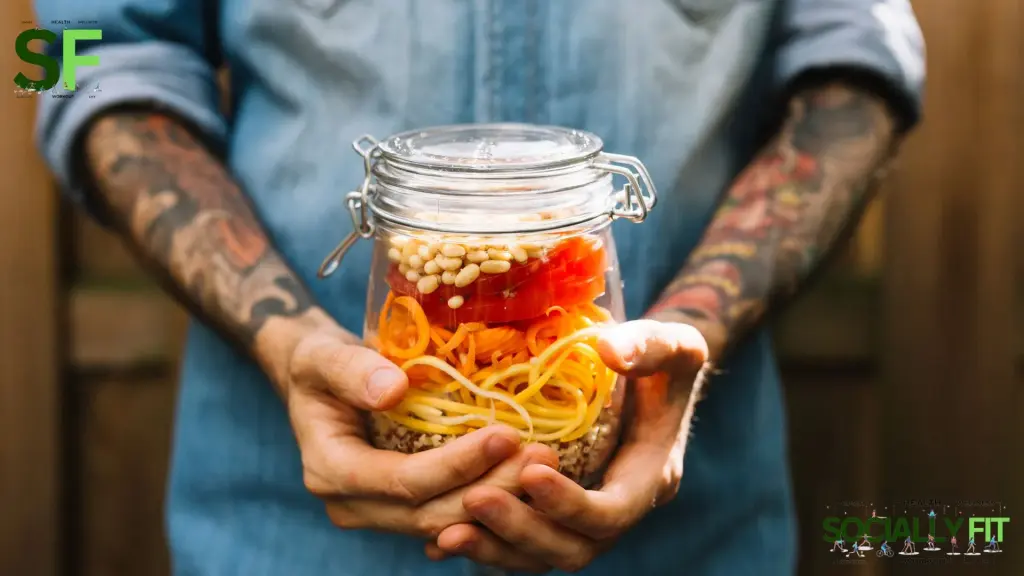
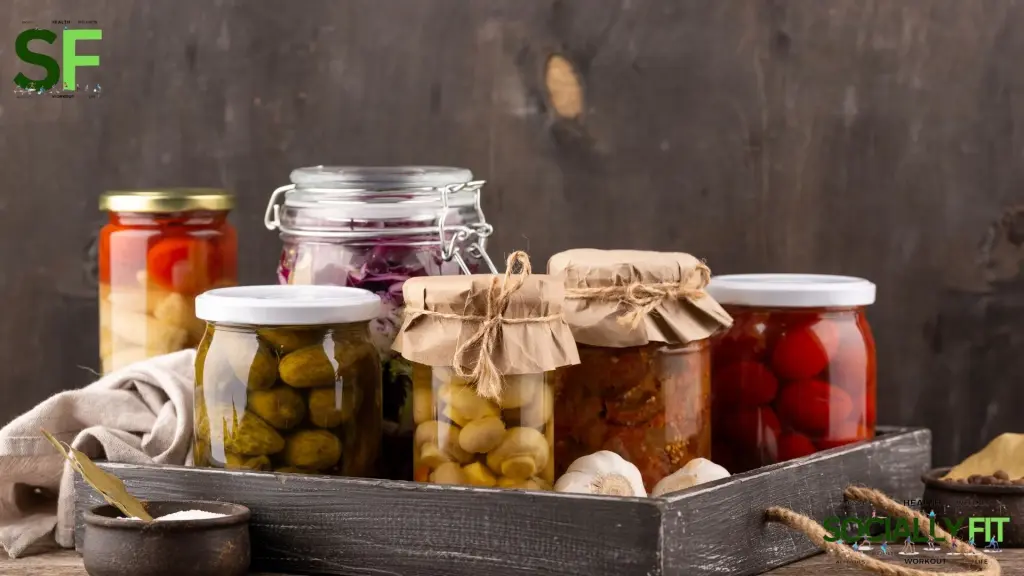
Pickles are cucumbers that have been preserved in a brine solution, typically consisting of water, vinegar, salt, and various seasonings. The pickling process not only extends the shelf life of cucumbers but also imparts a distinct flavor.
Different Types of Pickles
There are several varieties of pickles, including dill pickles, sweet pickles, bread and butter pickles, and spicy pickles. Each type has its unique flavor profile, influenced by the spices and herbs used during the pickling process.
Nutritional Profile of Pickles
| Nutrient | Amount per 100g | Description |
|---|---|---|
| Calories | 11 kcal | Low in calories, making pickles a weight-friendly snack. |
| Carbohydrates | 2.26 g | Mostly from natural sugars, very low in carbs. |
| Protein | 0.5 g | Minimal protein content. |
| Fat | 0.2 g | Very low in fat. |
| Fiber | 1.2 g | Provides a small amount of dietary fiber. |
| Vitamin K | 17.6 µg | Essential for blood clotting and bone health. |
| Vitamin A | 4.4 µg | Important for vision and immune function. |
| Potassium | 51 mg | Helps maintain fluid balance and proper muscle function. |
| Sodium | 787 mg | High sodium content due to the brining process, important to consume in moderation. |
| Calcium | 24 mg | Contributes to bone health. |
| Iron | 0.3 mg | Supports oxygen transport in the blood. |
| Probiotics | Varies | Found in fermented pickles, beneficial for gut health. |
Pickles offer a variety of nutrients in small amounts, making them a flavorful and low-calorie addition to your diet. However, due to their high sodium content, it’s important to enjoy them in moderation.
Are Pickles Good for Weight Loss
Pickles and Weight Loss
Low-Calorie Content
- Fewer Calories: Pickles are extremely low in calories, with an average of just 11 calories per 100 grams. This makes them a guilt-free snack option.
- Calorie Deficit: Incorporating low-calorie foods like pickles into your diet can help create a calorie deficit, which is essential for weight loss.
Impact on Metabolism
- Vinegar’s Role: The vinegar in pickles may boost metabolism. Studies suggest that vinegar can enhance insulin sensitivity and help maintain stable blood sugar levels.
- Thermogenic Effect: Vinegar may also have a thermogenic effect, meaning it can increase the number of calories burned by the body.
Appetite Suppression
- Feeling Full: The tangy taste and crunchiness of pickles can help you feel full and satisfied, reducing the urge to snack on high-calorie foods.
- Acidity Benefits: The acidity of the vinegar might help suppress appetite, which can lead to lower overall calorie intake throughout the day.
Nutritional Benefits Supporting Weight Loss
- Vitamins and Minerals: Pickles provide small amounts of essential vitamins and minerals, such as vitamin K, vitamin A, and potassium, which support overall health.
- Antioxidants: Pickles contain antioxidants that protect against oxidative stress and inflammation, promoting better health during weight loss efforts.
- Probiotics: Fermented pickles are rich in probiotics, which support gut health. A healthy gut microbiome is linked to improved digestion and metabolism, aiding weight loss.
Practical Tips for Incorporating Pickles into Your Diet
- Snack Smart: Enjoy pickles as a low-calorie snack between meals to curb hunger without adding extra calories.
- Add to Meals: Include pickles in salads, sandwiches, and wraps for added flavor and crunch without significant calories.
- Creative Pairings: Pair pickles with protein-rich foods like lean meats, cheese, or hummus to create satisfying and balanced meals.
Are Pickles Good for Weight Loss
Nutritional Benefits of Pickles
Vitamins and Minerals
While pickles are not a powerhouse of nutrients, they do provide small amounts of essential vitamins and minerals. Vitamin K, in particular, is important for blood clotting and bone health.
Antioxidants in Pickles
Pickles contain antioxidants that help protect your body from oxidative stress and inflammation. These antioxidants can support overall health, which is crucial when you’re on a weight loss journey.
Probiotic Benefits
Fermented pickles are rich in probiotics, which are beneficial bacteria that support gut health. A healthy gut microbiome is linked to better digestion, improved immune function, and even weight loss.
Are Pickles Good for Weight Loss
The Role of Vinegar in Pickles
How Vinegar Aids in Weight Loss
Vinegar, a key ingredient in pickles, has been shown to have various health benefits, including aiding in weight loss. It helps improve digestion, enhances satiety, and can lower blood sugar levels after meals.
Health Benefits of Vinegar
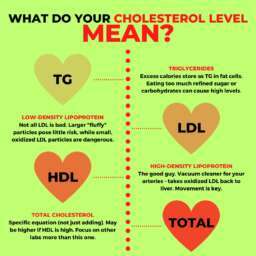
Beyond weight loss, vinegar offers several other health benefits. It has antimicrobial properties, can help lower cholesterol levels, and might even improve heart health. Incorporating vinegar-rich foods like pickles into your diet can be a simple way to reap these benefits.
Are Pickles Good for Weight Loss
Pickles and Gut Health
Probiotics and Gut Flora
The probiotics found in fermented pickles contribute to a healthy gut flora, which is essential for optimal digestion and nutrient absorption. A balanced gut microbiome can also influence weight management and overall well-being.
Digestive Health Benefits
Regular consumption of probiotics can help alleviate digestive issues such as bloating, constipation, and diarrhea. By promoting a healthy digestive system, pickles can indirectly support your weight loss efforts.
Are Pickles Good for Weight Loss
Potential Drawbacks of Pickles
High Sodium Content: Pickles are high in sodium, which can lead to water retention and increased blood pressure. Consume in moderation.
Digestive Discomfort: The acidity and high sodium can cause digestive issues like bloating and acid reflux in some individuals.
Moderation is Key: Limit pickle intake to avoid excessive sodium consumption and potential health risks.
Choose Low-Sodium Options: Opt for low-sodium or no-salt-added pickles to reduce sodium intake.
Watch Portion Sizes: Keep portions small to enjoy the benefits without overdoing sodium.
Balance with Water Intake: Drink plenty of water to help flush out excess sodium and stay hydrated.
Monitor Health Conditions: Individuals with hypertension or kidney issues should be especially cautious with pickle consumption.
Check Ingredients: Look for pickles with no added sugars or artificial preservatives for a healthier choice.
Variety is Important: Don’t rely solely on pickles; incorporate a variety of low-calorie, nutrient-dense foods into your diet.
Listen to Your Body: If you experience discomfort or adverse effects, reduce or eliminate pickles from your diet and consult a healthcare provider.
Are Pickles Good for Weight Loss
Incorporating Pickles into Your Diet
Healthy Pickle Recipes
- Pickle Salad: Add chopped pickles to a mixed greens salad for a tangy twist. Combine with cucumbers, tomatoes, red onions, and a light vinaigrette.
- Pickle Wraps: Use pickles in wraps with turkey, cheese, lettuce, and a whole wheat tortilla for a low-calorie, satisfying meal.
- Pickle Relish: Make your own pickle relish by chopping pickles finely and mixing them with a bit of mustard and honey. Use it as a topping for grilled meats or fish.
Pairing Pickles with Other Foods
- Sandwiches and Burgers: Add slices of pickles to sandwiches and burgers for extra crunch and flavor without adding significant calories.
- Cheese and Pickle Platter: Pair pickles with a selection of cheeses for a balanced snack that combines protein and probiotics.
- Grilled Meats: Serve pickles alongside grilled chicken, beef, or pork to enhance the flavors and add a refreshing contrast.
Snack Ideas
- Pickles and Hummus: Dip pickle spears in hummus for a crunchy, low-calorie snack that’s also rich in protein and fiber.
- Pickle and Nut Mix: Combine pickles with a handful of nuts for a balanced snack that includes healthy fats and proteins.
- Pickle Popcorn: Sprinkle pickle seasoning on air-popped popcorn for a unique and healthy snack option.
Tips for Including Pickles in Your Meals
- Balance with Protein: Combine pickles with high-protein foods to create satisfying meals that keep you full longer.
- Use as a Flavor Booster: Incorporate pickles into dishes to add flavor without adding many calories or fats.
- Experiment with Different Varieties: Try different types of pickles (dill, sweet, spicy) to keep meals interesting and cater to your taste preferences.
- Make Homemade Pickles: Control the ingredients and sodium content by making your own pickles at home.
- Add to Salads: Chop pickles and add them to salads for an extra crunch and tangy flavor.
- Incorporate into Dressings: Blend pickles into salad dressings or sauces for added flavor.
- Healthy Snack Packs: Prepare snack packs with pickles, lean meats, and veggies for a convenient, on-the-go option.
- Use in Cooking: Add pickles to recipes like potato salad, coleslaw, or deviled eggs for a zesty twist.
- Garnish Dishes: Use pickles as a garnish for dishes like tacos, pizza, or grain bowls.
- Hydration Balance: Since pickles are high in sodium, ensure you drink plenty of water to stay hydrated and balance your sodium levels.
Are Pickles Good for Weight Loss
Pickles vs. Other Fermented Foods
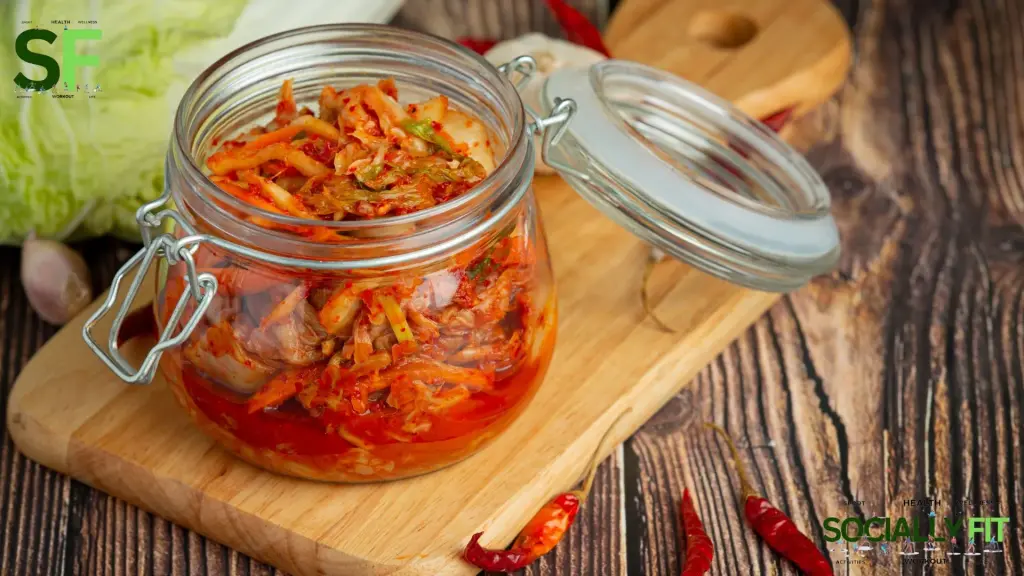
Comparison with Sauerkraut, Kimchi, etc.
Pickles are just one of many fermented foods available. Sauerkraut, kimchi, and kombucha are other popular options, each offering unique flavors and health benefits. Comparing these foods can help you diversify your diet and enjoy a range of probiotic-rich options.
Unique Benefits of Pickles
While all fermented foods have their benefits, pickles stand out for their versatility and low-calorie content. They can be easily incorporated into a variety of dishes, making them a convenient choice for those looking to add more fermented foods to their diet.
Are Pickles Good for Weight Loss
Scientific Studies on Pickles and Weight Loss
Recent Research Findings
Recent studies have explored the potential weight loss benefits of pickles and their ingredients. Some research suggests that vinegar can help reduce body fat, while probiotics support a healthy metabolism. However, more research is needed to fully understand these effects.
Case Studies and Testimonials
Many individuals have shared personal success stories of incorporating pickles into their weight loss journeys. While these testimonials are anecdotal, they highlight the potential benefits of adding pickles to a balanced diet.
Are Pickles Good for Weight Loss
Common Myths About Pickles and Weight Loss

Myth 1: Pickles Burn Fat
Truth: Pickles themselves do not burn fat. While they are low in calories and can be a part of a weight loss diet, no single food can directly burn fat. Weight loss requires a combination of a healthy diet, regular exercise, and a caloric deficit.
Myth 2: Eating Pickles Can Replace a Balanced Diet
Truth: Pickles should not replace other nutritious foods. They are low in calories but also lack essential nutrients like protein, fiber, and healthy fats. A balanced diet includes a variety of fruits, vegetables, lean proteins, and whole grains.
Myth 3: All Pickles Are Healthy
Truth: Not all pickles are created equal. Many store-bought pickles contain high levels of sodium, artificial additives, and added sugars. Opt for low-sodium, natural, or homemade pickles to maximize health benefits.
Myth 4: You Can Eat Unlimited Pickles Without Consequences
Truth: Despite their low calorie content, pickles are high in sodium, which can lead to water retention and increased blood pressure if consumed in excess. Moderation is key to enjoying pickles without negative side effects.
Myth 5: Pickle Juice Is a Miracle Weight Loss Drink
Truth: Pickle juice is often touted for its potential health benefits, but it is not a miracle solution for weight loss. While it may help with electrolyte balance and muscle cramps, it also contains high amounts of sodium and should be consumed sparingly.
Myth 6: Pickles Alone Can Lead to Weight Loss
Truth: No single food, including pickles, can lead to significant weight loss on its own. Effective weight loss involves a comprehensive approach, including a balanced diet, physical activity, and healthy lifestyle choices.
Myth 7: Fermented Pickles Are Always Better
Truth: While fermented pickles contain beneficial probiotics, they can also be high in sodium. Both fermented and non-fermented pickles can be part of a healthy diet when chosen carefully and consumed in moderation.
Myth 8: Pickles Are a Good Source of Vegetables
Truth: Pickles are made from cucumbers, but the pickling process reduces their overall nutritional value. They should not be relied upon as a primary source of vegetables. Fresh vegetables offer more vitamins, minerals, and fiber.
Myth 9: Pickles Can Detoxify the Body
Truth: The idea that pickles can detoxify the body is a misconception. The body has its own systems for detoxification, primarily the liver and kidneys. Eating pickles does not enhance this natural process.
Myth 10: All Pickles Are Probiotic-Rich
Truth: Only naturally fermented pickles contain probiotics. Pickles made with vinegar do not offer the same probiotic benefits. Always check the label to determine if the pickles are fermented.
Are Pickles Good for Weight Loss
Buying and Storing Pickles
Buying Pickles
- Check Ingredients: Look for pickles with minimal ingredients—cucumbers, water, vinegar, salt, and spices. Avoid those with artificial preservatives and added sugars.
- Opt for Low-Sodium Varieties: Choose pickles labeled “low sodium” to reduce your salt intake.
- Go for Fermented Pickles: Select naturally fermented pickles for added probiotic benefits. Check for labels that indicate live cultures.
- Choose Organic: If possible, buy organic pickles to avoid pesticides and other chemicals.
- Inspect the Jar: Ensure the jar is sealed properly and check the expiration date. Pickles should be firm and not mushy.
- Avoid Added Colors: Pickles should not have artificial colors. Natural pickles usually range from green to yellowish.
Storing Pickles
- Refrigerate After Opening: Once opened, store pickles in the refrigerator to maintain their freshness and crunch.
- Keep the Brine: Always keep pickles submerged in their brine to prevent them from drying out and to preserve their flavor.
- Use Clean Utensils: When removing pickles from the jar, use clean utensils to avoid contaminating the brine.
- Seal Tightly: Ensure the jar is tightly sealed to prevent exposure to air and bacteria.
- Check for Spoilage: Regularly check for signs of spoilage, such as off smells, mold, or a slimy texture. Discard any pickles that show these signs.
- Store in a Cool, Dark Place: Unopened jars of pickles should be stored in a cool, dark place to maintain their quality until opened.
- Avoid Freezing: Do not freeze pickles, as freezing can alter their texture and flavor.
- Monitor Expiration Dates: Keep track of expiration dates and consume pickles before they go bad.
- Use Smaller Jars: If you don’t consume pickles frequently, consider buying smaller jars to ensure they are used up before spoiling.
- Homemade Pickles: If making homemade pickles, follow proper canning procedures to ensure safety and longevity. Store in a cool, dark place until opened, then refrigerate.
Are Pickles Good for Weight Loss
Homemade Pickles vs. Store-Bought Pickles
| Aspect | Homemade Pickles | Store-Bought Pickles |
|---|---|---|
| Control Over Ingredients | Full control over ingredients and additives. | Limited control; may contain preservatives and added sugars. |
| Sodium Content | Can be adjusted to be lower in sodium. | Often high in sodium to enhance shelf life. |
| Flavor Customization | Customizable with preferred herbs and spices. | Limited to available flavors and brands. |
| Nutritional Value | Generally healthier with fresh, organic ingredients. | Nutritional content varies; may include less desirable ingredients. |
| Probiotic Content | Can be naturally fermented for probiotics. | Not all store-bought pickles contain live cultures. |
| Cost | Typically cheaper, especially if using homegrown produce. | Generally more expensive, with cost depending on brand and quality. |
| Convenience | Requires time and effort to prepare. | Ready to eat, offering convenience. |
| Shelf Life | Shorter shelf life, especially without preservatives. | Longer shelf life due to preservatives. |
| Quality Assurance | Quality depends on personal preparation skills. | Consistent quality from reputable brands. |
| Environmental Impact | Reduced packaging waste if jars are reused. | More packaging waste; depends on brand’s sustainability efforts. |
Are Pickles Good for Weight Loss
Conclusion
In conclusion, pickles can be a tasty and nutritious addition to your weight loss plan. Their low-calorie content, potential to suppress appetite, and probiotic benefits make them a valuable component of a balanced diet. However, it’s important to consume them in moderation due to their high sodium content. By incorporating pickles thoughtfully into your meals and snacks, you can enjoy their benefits while supporting your weight loss goals.
FAQs
- Can Pickles Really Help You Lose Weight? Yes, but they should be part of a balanced diet.
- How Many Pickles Should You Eat Daily? Enjoy them in moderation, being mindful of sodium intake.
- Are All Pickles the Same? No, they vary in nutritional content and flavor.
- What Are the Best Pickles for Weight Loss? Choose fermented, low-sodium, and no-added-sugar varieties.
- Can Pickles Replace Other Weight Loss Foods? No, they should complement a diverse, balanced diet.