










Is Sushi Good for Weight Loss? Discover the Benefits and Best Choices. Wondering if sushi is good for weight loss? Explore the nutritional benefits, low-calorie options, and tips for making the healthiest sushi choices to support your weight loss goals.
Introduction
Is sushi good for weight loss? This question arises often among those looking to shed pounds while enjoying diverse and flavorful meals. Indeed, sushi can be a valuable part of a weight loss diet, but like any food, its benefits depend on what and how much you eat.
Nutritional Profile of Sushi
Types of Sushi
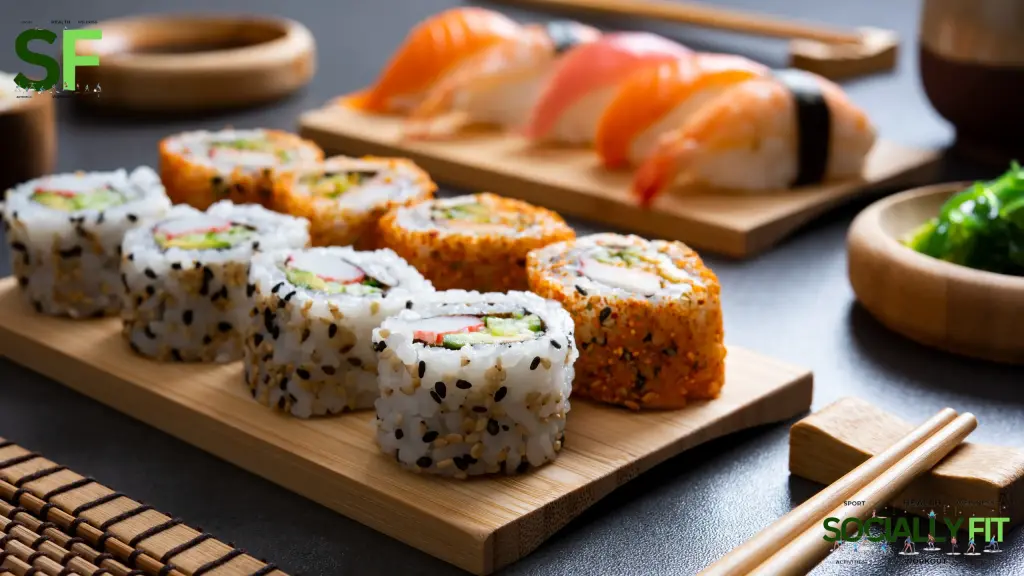
Sushi is a diverse and versatile dish that comes in many forms, each with unique ingredients and preparation methods. Understanding these types is crucial to appreciate the nutritional benefits and make informed choices, especially if you’re considering sushi for weight loss.
1. Nigiri (Nigirizushi)
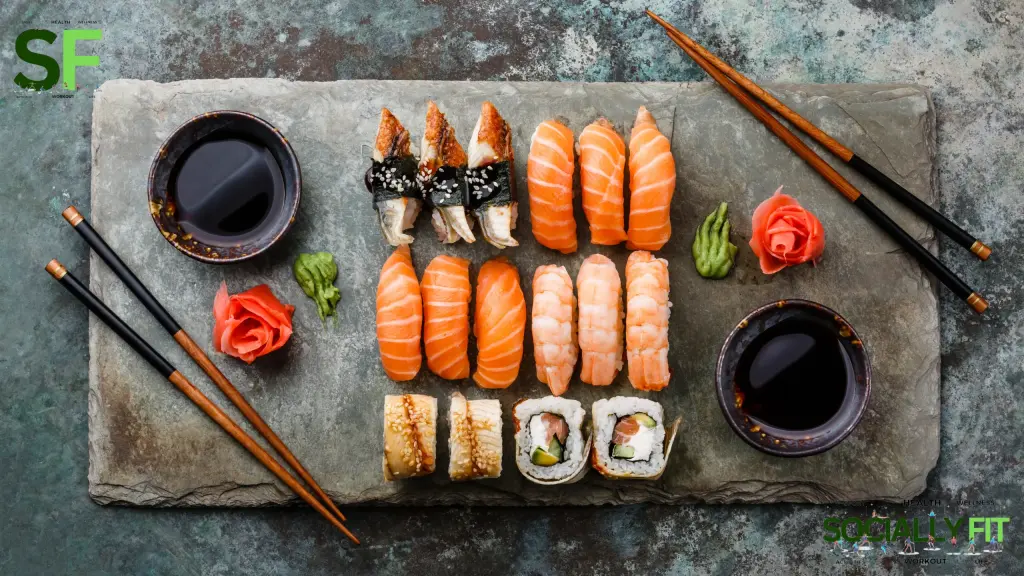
Nigiri is one of the most traditional forms of sushi. It consists of a small mound of vinegared rice topped with a slice of raw or cooked fish or seafood. Sometimes, a small amount of wasabi is placed between the rice and the topping. The simplicity of Nigiri allows the flavors of the fresh fish to stand out.
- Common Toppings: Tuna (maguro), salmon (sake), shrimp (ebi), eel (unagi), and squid (ika).
- Nutritional Benefits: High in protein and omega-3 fatty acids, relatively low in calories when compared to rolls with added sauces and ingredients.
2. Sashimi
Sashimi is not technically sushi, but it is often served at sushi restaurants. It consists of thinly sliced raw fish or seafood, served without rice. The focus is purely on the quality and taste of the fish.
- Common Varieties: Tuna, salmon, mackerel (saba), and octopus (tako).
- Nutritional Benefits: High protein content, rich in omega-3 fatty acids, very low in calories since there is no rice.
3. Maki (Makizushi)
Maki rolls consist of rice and other ingredients rolled in a sheet of seaweed (nori) and then sliced into bite-sized pieces. There are several subtypes of Maki:
A. Hosomaki
Hosomaki are small, cylindrical rolls with a single ingredient, such as cucumber, tuna, or avocado, wrapped in rice and seaweed.
- Common Fillings: Cucumber (kappa), tuna (tekka), avocado.
- Nutritional Benefits: Simple and low-calorie, easy to control portion sizes.
B. Futomaki
Futomaki are thicker rolls with multiple ingredients, including vegetables, fish, and sometimes cooked egg.
- Common Fillings: Vegetables (carrot, cucumber, kampyo), fish, tamagoyaki (sweet egg omelette).
- Nutritional Benefits: More substantial, providing a mix of nutrients from various ingredients.
C. Uramaki (Inside-Out Roll)
Uramaki has rice on the outside and seaweed on the inside, typically containing multiple ingredients and often garnished with sesame seeds or fish roe.
- Common Varieties: California roll (crab, avocado, cucumber), Spicy tuna roll.
- Nutritional Benefits: Varied depending on ingredients, can be higher in calories due to sauces and additional ingredients.
4. Temaki (Hand Roll)
Temaki is a cone-shaped sushi roll filled with rice, fish, vegetables, and other ingredients. It is designed to be eaten with hands rather than chopsticks.
- Common Fillings: Tuna, salmon, crab, cucumber, avocado.
- Nutritional Benefits: Can be very nutritious if filled with healthy ingredients, portion-controlled by its nature.
5. Chirashi (Chirashizushi)
Chirashi is a bowl of vinegared rice topped with various sashimi and garnishes. It’s often served as a vibrant and colorful dish with a variety of textures and flavors.
Nutritional Benefits: High in protein, varied nutrients from different toppings, and can be customized to be as low-calorie or nutrient-dense as desired.
Common Toppings: Tuna, salmon, shrimp, tamagoyaki, vegetables.
Is Sushi Good for Weight Loss
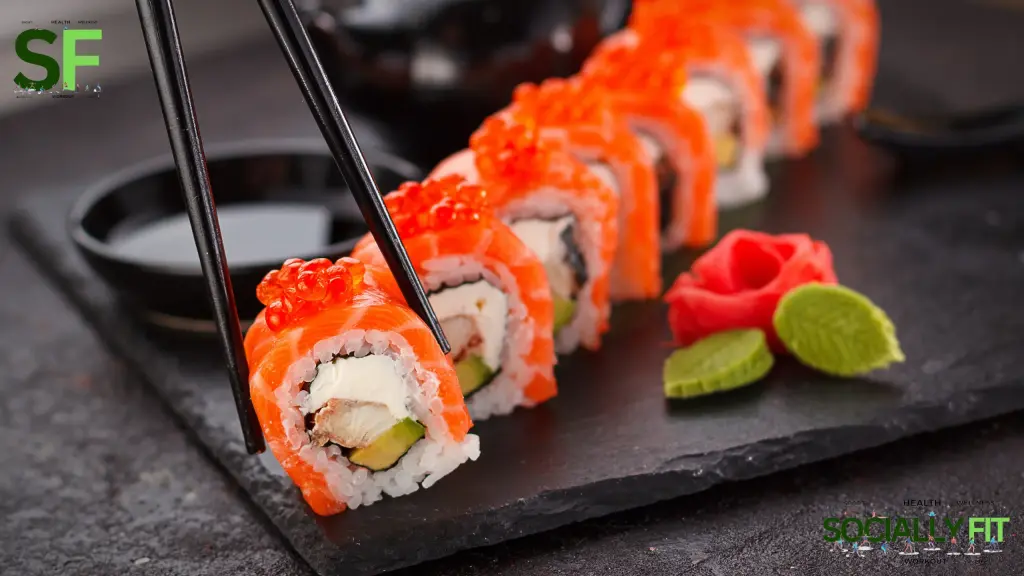
Common Ingredients in Sushi
- Fish and Seafood
- Tuna (Maguro)
- Salmon (Sake)
- Shrimp (Ebi)
- Eel (Unagi and Anago)
- Mackerel (Saba)
- Octopus (Tako)
- Squid (Ika)
- Crab (Kani)
- Sea Urchin (Uni)
- Fish Roe (Ikura and Tobiko)
- Scallops (Hotate)
- Vegetables
- Cucumber (Kappa)
- Avocado
- Carrot
- Daikon Radish (Takuan)
- Pickled Radish (Shibazuke)
- Seaweed Salad (Goma Wakame)
- Shiitake Mushrooms
- Other Ingredients
- Sushi Rice (Shari)
- Nori (Seaweed)
- Wasabi
- Soy Sauce
- Pickled Ginger (Gari)
- Tamagoyaki (Sweet Egg Omelette)
- Tofu Pouches (Aburaage for Inari)
- Sesame Seeds
- Mayonnaise (often used in rolls like Spicy Tuna or California Rolls)
- Tempura (Battered and Fried Ingredients)
Is Sushi Good for Weight Loss
Health Benefits of Sushi for Weight Loss
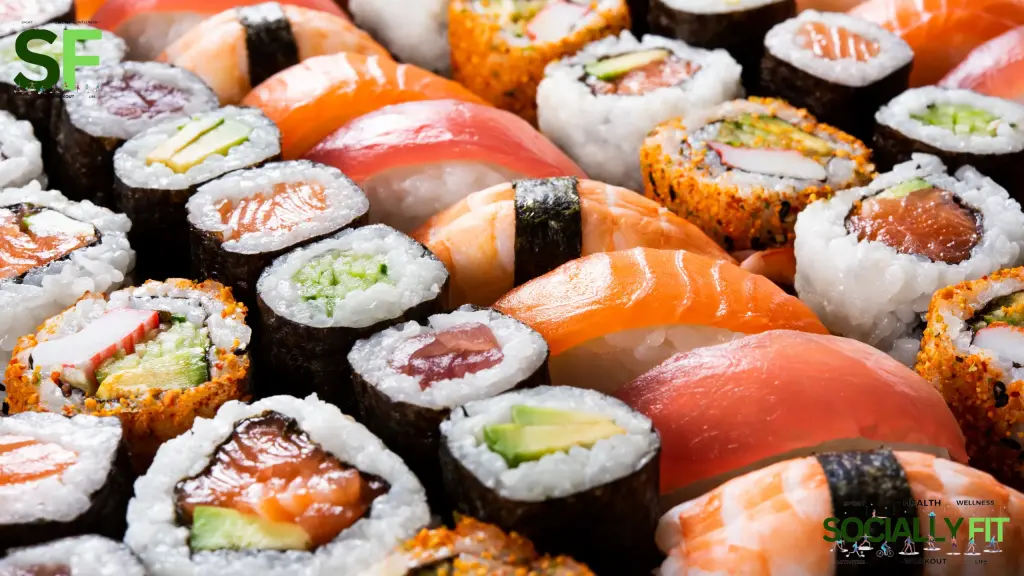
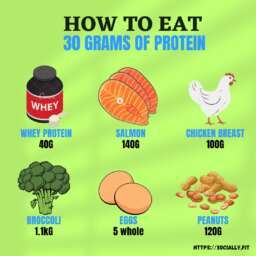
- High Protein Content Sushi, especially sashimi and nigiri, is rich in protein, which helps build muscle and keeps you full longer, aiding in weight loss.
- Low in Calories Many types of sushi, like sashimi and simple rolls, are low in calories, making them a good choice for a weight-loss diet.
- Rich in Omega-3 Fatty Acids Fish like salmon and tuna are high in omega-3 fatty acids, which can help reduce inflammation and improve heart health.
- Contains Healthy Fats The healthy fats in fish, avocado, and seaweed can promote satiety and help manage weight.
- Low in Saturated Fat Sushi made with fresh fish and vegetables is typically low in saturated fat, supporting heart health and weight management.
- High in Fiber Rolls with vegetables and seaweed provide dietary fiber, aiding digestion and promoting a feeling of fullness.
- Boosts Metabolism The protein content in fish can help boost metabolism, increasing the number of calories burned at rest.
- Nutrient-Dense Sushi is nutrient-dense, offering vitamins, minerals, and antioxidants without a lot of extra calories.
- Portion Control Sushi is typically served in small, bite-sized pieces, which can help with portion control and prevent overeating.
- Low-Glycemic Index Fish and vegetables have a low glycemic index, helping to regulate blood sugar levels and prevent insulin spikes.
- Variety of Ingredients Sushi offers a variety of ingredients, ensuring a wide range of nutrients that support overall health and weight loss.
- Minimal Cooking The minimal cooking involved in sushi preparation preserves the nutritional content of its ingredients.
- Promotes Hydration Sushi is often served with water-rich vegetables and seaweed, contributing to overall hydration.
- Satisfies Cravings The flavors and textures of sushi can satisfy cravings for rich foods without the high calorie and fat content.
- Encourages Mindful Eating The process of eating sushi, often with chopsticks and small bites, encourages mindful eating, which can help control portions and enhance satisfaction.
Is Sushi Good for Weight Loss
Potential Drawbacks of Sushi
- High Sodium Content Sushi often contains high amounts of sodium, primarily from soy sauce and pickled ingredients. High sodium intake can lead to water retention, bloating, and increased blood pressure.
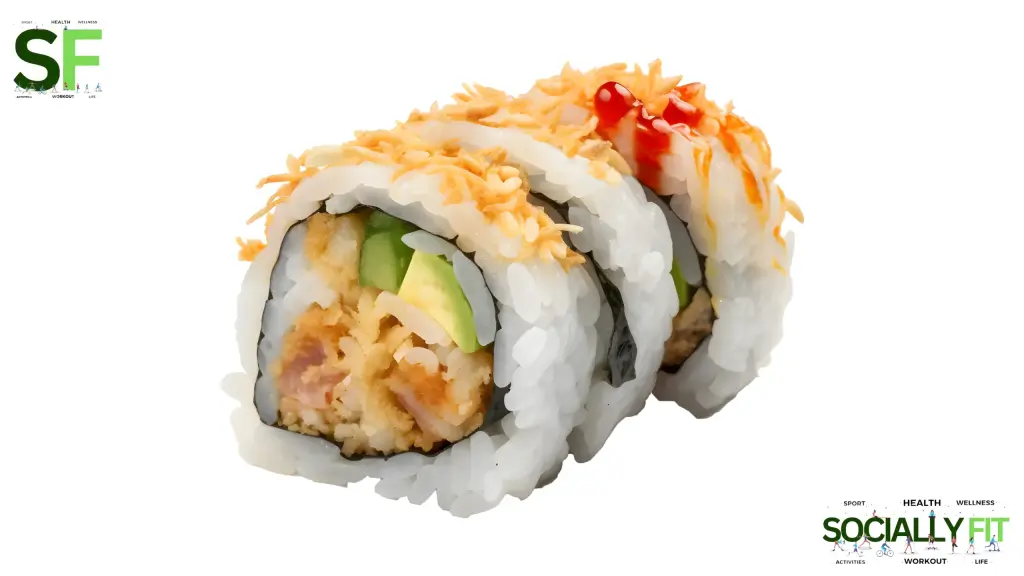
- Hidden Calories While sushi can be low in calories, certain rolls contain hidden calories from ingredients like mayonnaise, cream cheese, and tempura. These additions can turn a healthy meal into a calorie-dense one.
- Risk of Foodborne Illness Consuming raw fish increases the risk of foodborne illnesses such as salmonella and parasites. It’s essential to ensure the sushi is prepared with fresh, high-quality fish to minimize this risk.
- Mercury Exposure Some fish commonly used in sushi, such as tuna and mackerel, can contain high levels of mercury. Frequent consumption of these fish can lead to mercury poisoning, which is particularly concerning for pregnant women.
- Carbohydrate Content Sushi rice is seasoned with sugar and vinegar, which adds to its carbohydrate content. Consuming too much rice can lead to excessive carbohydrate intake, potentially hindering weight loss efforts.
- Nutritional Imbalance Eating sushi frequently might lead to a nutritional imbalance if other essential nutrients from vegetables, fruits, and whole grains are neglected. It’s important to maintain a balanced diet.
- Caloric Density of Rolls Specialty rolls can be calorically dense due to multiple ingredients, sauces, and frying techniques. Rolls like dragon rolls or spider rolls can contain over 500 calories each, making portion control difficult.
- Potential Allergens Sushi contains several common allergens, including fish, shellfish, soy, and sesame. Those with allergies must be cautious when consuming sushi to avoid adverse reactions.
- High Glycemic Index White sushi rice has a high glycemic index, which can cause blood sugar spikes and subsequent crashes. This can lead to increased hunger and overeating.
- Environmental Concerns Some fish used in sushi, such as bluefin tuna, are overfished and environmentally unsustainable. Choosing sushi made from sustainable sources can mitigate this issue but might limit options.
Is Sushi Good for Weight Loss
Tips for Choosing Sushi for Weight Loss

- Opt for Sashimi Sashimi is simply thin slices of raw fish, without rice. It’s low in calories and high in protein, making it an excellent choice for weight loss.
- Choose Nigiri with Lean Fish Nigiri consists of a small ball of rice topped with fish. Choose lean fish like tuna or salmon to keep the calorie count low while getting a good dose of protein and healthy fats.
- Go for Brown Rice If available, opt for sushi made with brown rice instead of white rice. Brown rice has more fiber and nutrients, which can help you feel fuller longer.
- Avoid Tempura Rolls Tempura is battered and deep-fried, adding unnecessary calories and fat. Instead, choose rolls that feature fresh vegetables or raw fish.
- Limit Rolls with Creamy Sauces Rolls with mayonnaise-based sauces, like spicy tuna or California rolls, can add significant calories. Request these rolls without the sauce or choose simpler rolls.
- Include Vegetable Rolls Rolls filled with vegetables like cucumber, avocado, and carrots are generally lower in calories and provide fiber and essential nutrients.
- Control Portion Sizes It’s easy to overeat sushi. Start with a moderate portion and assess your hunger before ordering more. Remember, sashimi and nigiri are often more filling than multiple rolls.
- Use Low-Sodium Soy Sauce Regular soy sauce is high in sodium, which can cause water retention and bloating. Opt for low-sodium soy sauce to keep your sodium intake in check.
- Be Mindful of Rice Portions Sushi rice is seasoned with sugar and vinegar, which adds calories. Limit your intake of rice by choosing sashimi, nigiri, or rolls with less rice.
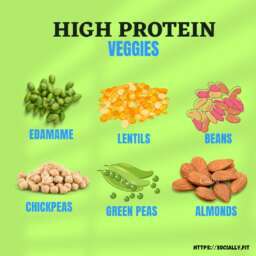
- Add Edamame or Miso Soup Pair your sushi with edamame or miso soup. Both are low-calorie options that can help fill you up and provide additional nutrients, helping you eat less sushi overall.
Is Sushi Good for Weight Loss
Sample Sushi Meal Plan for Weight Loss
| Meal | Breakfast | Lunch | Dinner |
|---|---|---|---|
| Day 1 | Green smoothie with spinach, avocado, and banana | 6 pieces of sashimi (tuna and salmon), seaweed salad | Cucumber and avocado roll, miso soup |
| Day 2 | Greek yogurt with berries and a handful of nuts | 4 pieces of nigiri (tuna and shrimp), edamame | Salmon sashimi, mixed vegetable roll |
| Day 3 | Oatmeal with chia seeds and fresh fruit | 6 pieces of salmon sashimi, seaweed salad | Tuna and cucumber roll, miso soup |
| Day 4 | Scrambled eggs with spinach and tomatoes | 4 pieces of nigiri (salmon and yellowtail), cucumber salad | Avocado roll, seaweed salad |
| Day 5 | Smoothie bowl with mixed berries and almonds | 6 pieces of tuna sashimi, mixed greens with sesame dressing | Spicy tuna roll (without mayo), miso soup |
| Day 6 | Cottage cheese with sliced peaches | 4 pieces of nigiri (snapper and mackerel), edamame | Shrimp and avocado roll, seaweed salad |
| Day 7 | Whole grain toast with avocado and poached egg | 6 pieces of salmon sashimi, mixed vegetable salad | Tuna sashimi, cucumber roll |
Is Sushi Good for Weight Loss
FAQs
- Is sushi good for weight loss? Yes, sushi can be beneficial for weight loss if you choose low-calorie, high-protein options.
- What types of sushi should I avoid for weight loss? Avoid sushi with high-calorie sauces, fried ingredients, and cream cheese.
- How many calories are in a typical piece of sushi? It varies, but sashimi generally has about 20-40 calories per piece, while rolls can range from 200-500 calories each.
- Can I eat sushi every day while trying to lose weight? Yes, but it’s important to choose healthy options and balance your diet with other nutritious foods.
- What is the healthiest type of sushi? Sashimi and nigiri with lean fish like tuna or salmon are among the healthiest choices.
Is Sushi Good for Weight Loss
Conclusion
In conclusion, is sushi good for weight loss? Absolutely, but the key is making informed choices. By selecting low-calorie, high-protein options and avoiding calorie-dense ingredients, sushi can be a delicious and effective part of your weight loss journey.
Click here to know more about weight loss and workout videos.